Taking the Lead: A Comprehensive Approach to Virtual Team Project Management
Master virtual team project management with our guide to seamless collaboration and success!

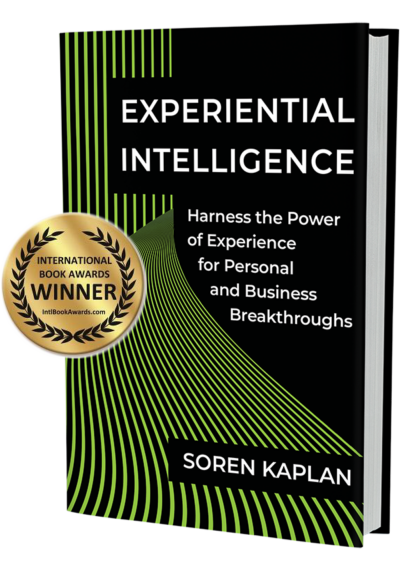
Winner, Best Business Book of the Year (American Book Fest Awards)




— Louis Carter, CEO, Best Practice Institute
— Michael Arena, Vice President, Talent & Development, Amazon Web Services
— Rebecca Romano, Global Head of Talent & Organizational Development, NBCUniversal
— Dr. Marshall Goldsmith, Thinkers50 #1 Executive Coach and New York Times bestselling author of The Earned Life
— Pat Verduin, Ph.D., Chief Technology Officer, Colgate-Palmolive
— Loressa Cole, CEO, American Nurses Association


Master virtual team project management with our guide to seamless collaboration and success!

Boost virtual team productivity with strategies that enhance collaboration and culture. Get results!

Elevate your virtual team communication with winning strategies for collaboration and innovation.

Master remote team collaboration with cutting-edge strategies to boost productivity and innovation.

Elevate your team with top virtual team communication tools for seamless collaboration and success!

Discover top online collaboration platforms to skyrocket your virtual team’s efficiency and innovation.

Elevate your team with the best online collaboration tools for peak virtual productivity and innovation.

Fuel remote synergy with 10 virtual team building activities that supercharge collaboration and success!

Elevate your skills in virtual team management to spark collaboration and surge productivity!

Elevate your team’s efficiency with key virtual team collaboration strategies for today’s digital workspace.

Transform your team with top corporate event culture change speakers. Inspire, engage, and evolve!

Elevate your offsite with the perfect keynote speakers for organizational transformation and culture change!

Transform your team with the right keynote speakers for corporate events—drive change today!

Elevate leadership with top keynote speakers for leadership development at your next event.

Find top offsite culture change keynote speakers to spark transformation at your next event.